
Periodontal Therapy
In Sugar Land, TX
Advanced Therapy for Lasting Gum Health
When discovered in its early stages, gum disease is easily treated and seldom leaves lasting effects. If the disease is allowed to advance without general dentistry treatment, it can ultimately lead to irreparable gum damage, tooth loss and bone damage. Periodontal therapy addresses the problems caused by advanced periodontal disease.
Symptoms and Causes of Periodontal Disease
Gum disease is characterized by red or bright pink gums. The gums are puffy or swollen in appearance and may bleed when you brush or floss. Advanced gum disease can cause bad breath due to the infection in the gums.
A noticeable amount of tartar on the teeth is another indication. The hard substance is brownish-yellow, and as it accumulates, it pushes the gums away from the teeth, causing pockets to develop. Within the pockets, bacteria feed on the food debris producing toxins that damage the gums and can dissolve the bone.
The main cause of gum disease is poor oral hygiene. Failure to brush and floss leads to a buildup of plaque and tartar. In some instances, there may be one or two hard-to-clean areas that can lead to periodontal disease.
Poor oral hygiene is not the only cause. There are certain medications and medical conditions that can cause an individual to be more likely to develop gum disease. Hormone fluctuations can make females more susceptible to gum disease during certain times. Genetics also plays a role in the development of gum disease. Some individuals are genetically predisposed to the disease.
Periodontitis Treatment
Treatment for advanced gum disease is determined by the severity of the condition. After a thorough evaluation, your treatment plan will be created. Severe infection of the gums may require treatment with antibiotics. You may need to take them orally, or the medicine may be placed directly in the gums.
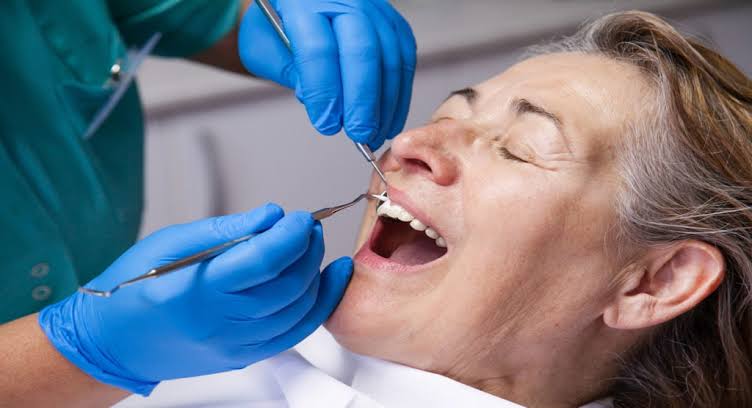
In addition to treating the infection, the teeth will need to be thoroughly cleaned. Plaque and tartar are eliminated from the teeth using special instruments. Scaling instruments are used to break up and remove the hardened substance from above and below the gumline. After scaling is completed, the roots are smoothed down.
Root planing instruments are used to smooth the tooth root surface. This allows the gums to reattach to the tooth. When surgery is required to remove damaged gum tissue, a special type of bandage may be used to cover the area and promote healing.
Gum disease is an avoidable problem with regular dental checkups and good oral hygiene practices. If you notice the signs of gingivitis, contact Riverstone Dental for effective periodontal therapy. Contact our dentist office today to schedule your appointment.
Frequently Asked Questions
Patients with signs of gum disease, deep periodontal pockets, gum recession, or bone loss may require periodontal therapy. Individuals with diabetes, smokers, and those with a family history of gum disease are at higher risk and may benefit from preventive or ongoing periodontal care.
Most periodontal treatments are performed with local anesthesia to ensure patient comfort. Some mild soreness or sensitivity may occur after treatment, but this is typically temporary and manageable with recommended aftercare.
Most patients treated for periodontal disease require periodontal maintenance visits every three to four months. These visits help prevent reinfection and allow for early detection of changes in gum health.
Treatment options depend on the severity of the condition and may include deep cleaning (scaling and root planing), localized antibiotic therapy, laser therapy, periodontal maintenance, or surgical procedures for advanced cases.
The duration varies depending on the extent of the disease and the type of treatment required. Non-surgical therapy may be completed in one or more visits, while advanced cases may require additional follow-up or surgical procedures.